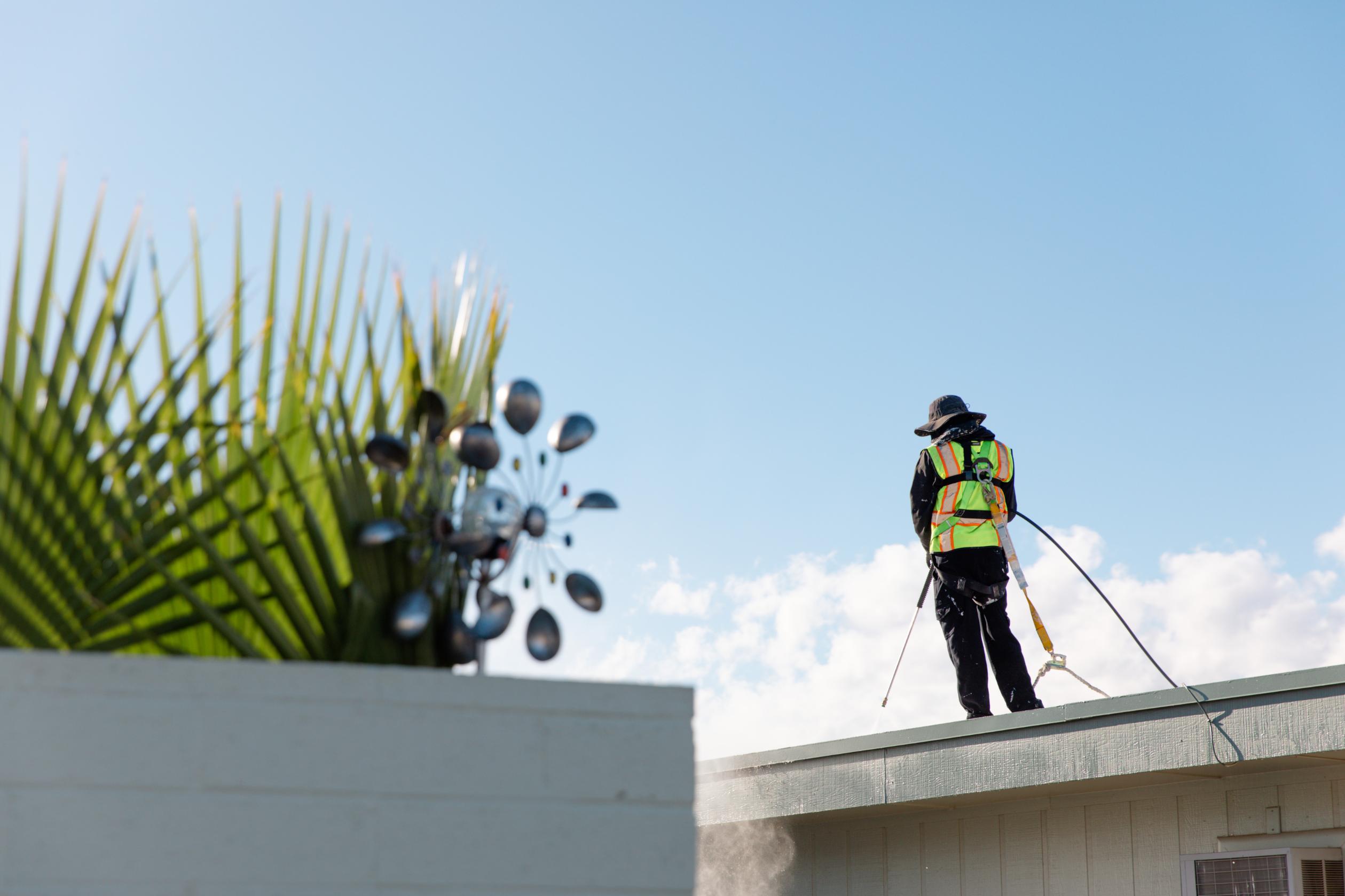
Roofing Decisions That Age Well: A Practical Owner’s Guide
Start with a clear objective for your roof: protect, manage costs, and support long-term value. Define the building’s use, occupancy, and comfort expectations, then assess known pain points like leaks, energy drift, or ponding. Begin by mapping current conditions, documenting age, layers, penetrations, and drainage paths. This baseline shapes every choice ahead, from material selection to sequencing. Without it, even well-intended upgrades risk misalignment with your property’s needs.
Meanwhile, compare materials by lifecycle rather than headline features. Evaluate membrane thickness, shingle class, or tile profiles against your climate, slope, and structural load limits. Consider accessory compatibility and fastening methods. Validate that flashing metals, underlayments, and sealants work as a system, not as standalone parts. Manufacturers often require specific assemblies; deviations can void coverage and shorten service life. Tie every decision back to durability, serviceability, and future access for repairs.
Beyond that, scope your project phases to minimize disruption. For Residential roofing, plan staging to protect landscaping and occupant routines; for Commercial roofing, address access routes, crane setups, and tenant schedules. Sequence tear-off, dry-in, and detail work so sensitive areas are watertight each day. Buffer the schedule with weather contingencies and material lead times. A realistic calendar reduces rework and keeps moisture out while the deck is exposed.
Then, align ventilation, insulation, and air sealing with your roof assembly. Poor airflow can cook shingles, trap moisture, and warp decking. For low-slope systems, ensure vapor drive is addressed through correct insulation placement and perm ratings. Calibrate intake and exhaust ratios rather than guessing. Proper hygrothermal control stabilizes interior conditions, supports energy performance, and lowers the likelihood of condensation-related damage behind finished surfaces.
However, fastener patterns and edge details often decide whether a roof survives wind events. Verify perimeter terminations, cleats, and nail lines match published specifications for your region. Inspect substrate integrity; soft or delaminated decking undermines pull-out resistance. Document every change order that touches edge metal, gutters, and scuppers. Tight edges, sealed seams, and continuous load paths translate to fewer callbacks and a longer interval before major intervention.
In practice, drainage dictates longevity on low-slope roofs. Validate slopes, crickets, and drain heights before installation begins. If standing water is measured after rain, refine planes or add auxiliary drains rather than relying on coating alone. Keep debris management in the plan so outlets stay open during construction. Efficient water movement preserves membranes, reduces algae growth, and limits the freeze-thaw stresses that open seams over time.
Often, inspections reveal small issues that prevent large expenses. Schedule Roof inspections at logical milestones: pre-job mapping, mid-project verification, and final punch-list. Include photos of critical details—penetration boots, transitions, and terminations—for your records. These files help during warranty claims and future Roof repair planning. Proactive checks catch misaligned materials early, when fixes are simple and affordable compared to invasive post-completion corrections.
Assess maintenance as part of the initial plan, not an afterthought. Roof maintenance should include clearing drains, checking sealant joints, and verifying attachment points after storms. For assemblies that allow it, periodic Roof coating can rejuvenate surfaces, boost reflectivity, and defer replacement when underlying layers remain sound. Define intervals based on exposure and traffic, and log every visit. A predictable upkeep rhythm supports performance and budgeting.
Finally, budget across the lifecycle rather than a single line item. Compare Roof installation costs with projected service life, energy impacts, and maintenance obligations. Stage capital reserves for phased replacement if the property spans multiple sections. Validate proposals for scope clarity, material specifications, and safety measures. A balanced plan blends durability with affordability, giving your building predictable protection without unpleasant surprises.
Ultimately, success rests on clear communication, steady documentation, and disciplined execution. Select a partner who explains options plainly, aligns scope with your goals, and remains responsive from kickoff to closeout. Whether the focus is Commercial roofing or a focused repair, insist on transparent reporting and photo-backed updates. With the right process, your roof becomes a managed asset—reliable, traceable, and ready for the seasons ahead.